
Morning Breeze: Painting Fresh Starts and Calm
What You See in Morning Breeze
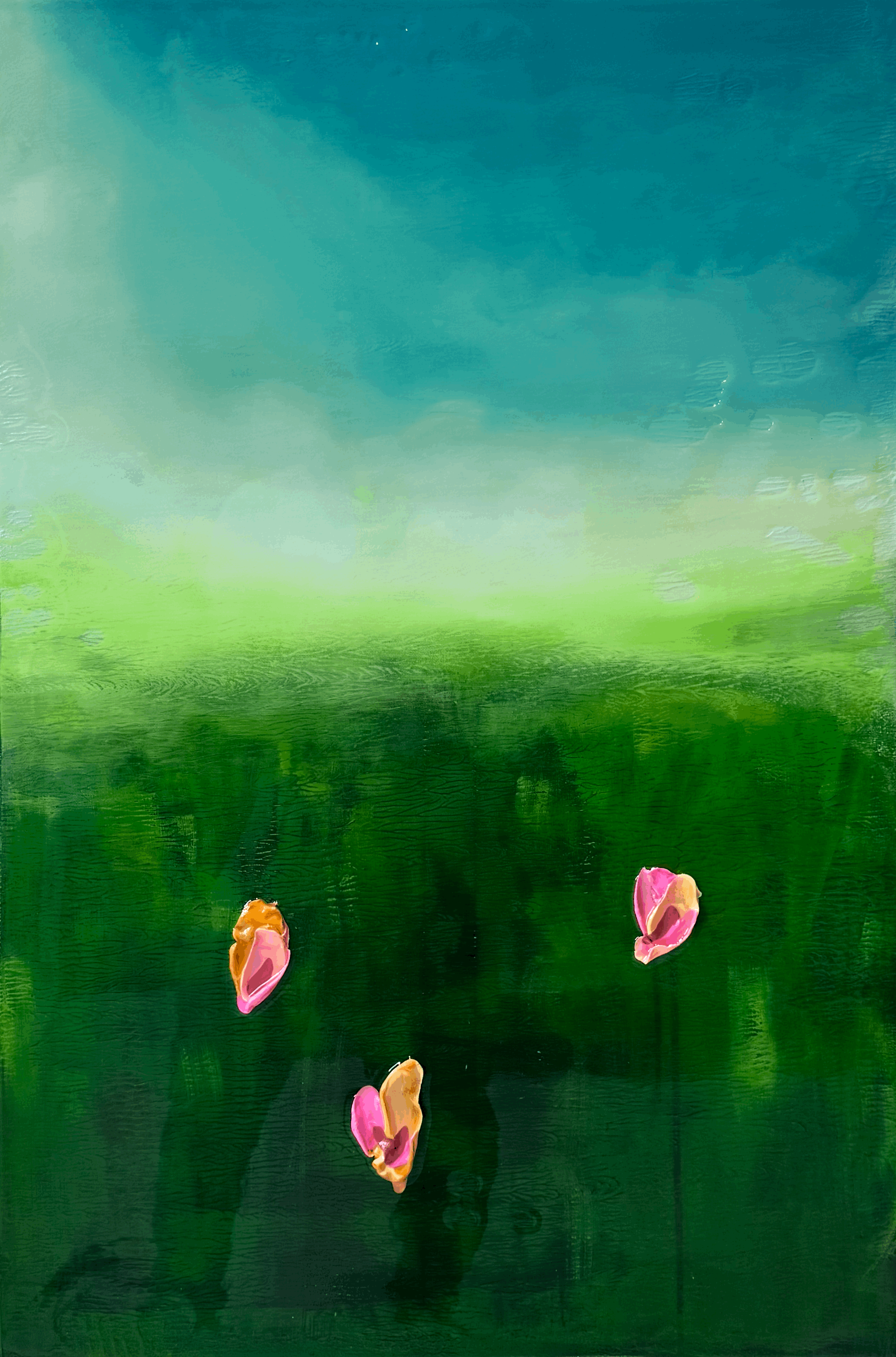
Cool blues fill most of the space, giving peace like open sky on good mornings. Green touches add life and growth, soft curves suggesting grass or waves in light wind. Warm peach sits low, like ground warming up first.
New Beginnings: Painting Hope After Emotional Reset
Visual Elements Crafting Renewal Narrative
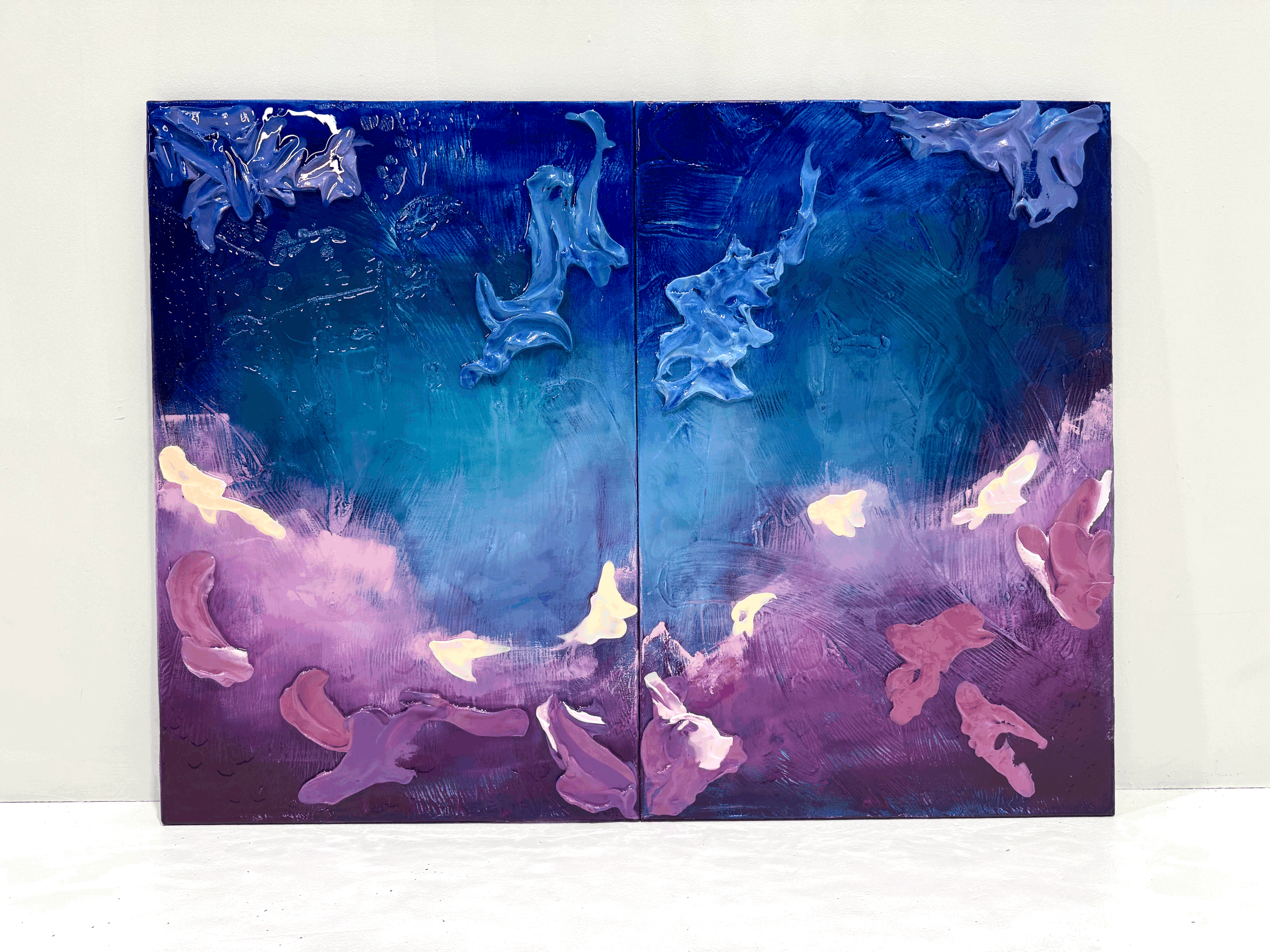
Lower register holds dissolving crimson forms, fluid shapes softening at edges into watery indecision representing necessary breakdown before growth. Rising pale gold field dominates upper third, organic flows cutting decisively through murk suggesting forward momentum gaining strength. Translucent pinks bridge middle ground, warm diffusion connecting past dissolution with future clarity.
The Healing Edges: Discovering Mental Resilience
Visual Elements Telling the Healing Story
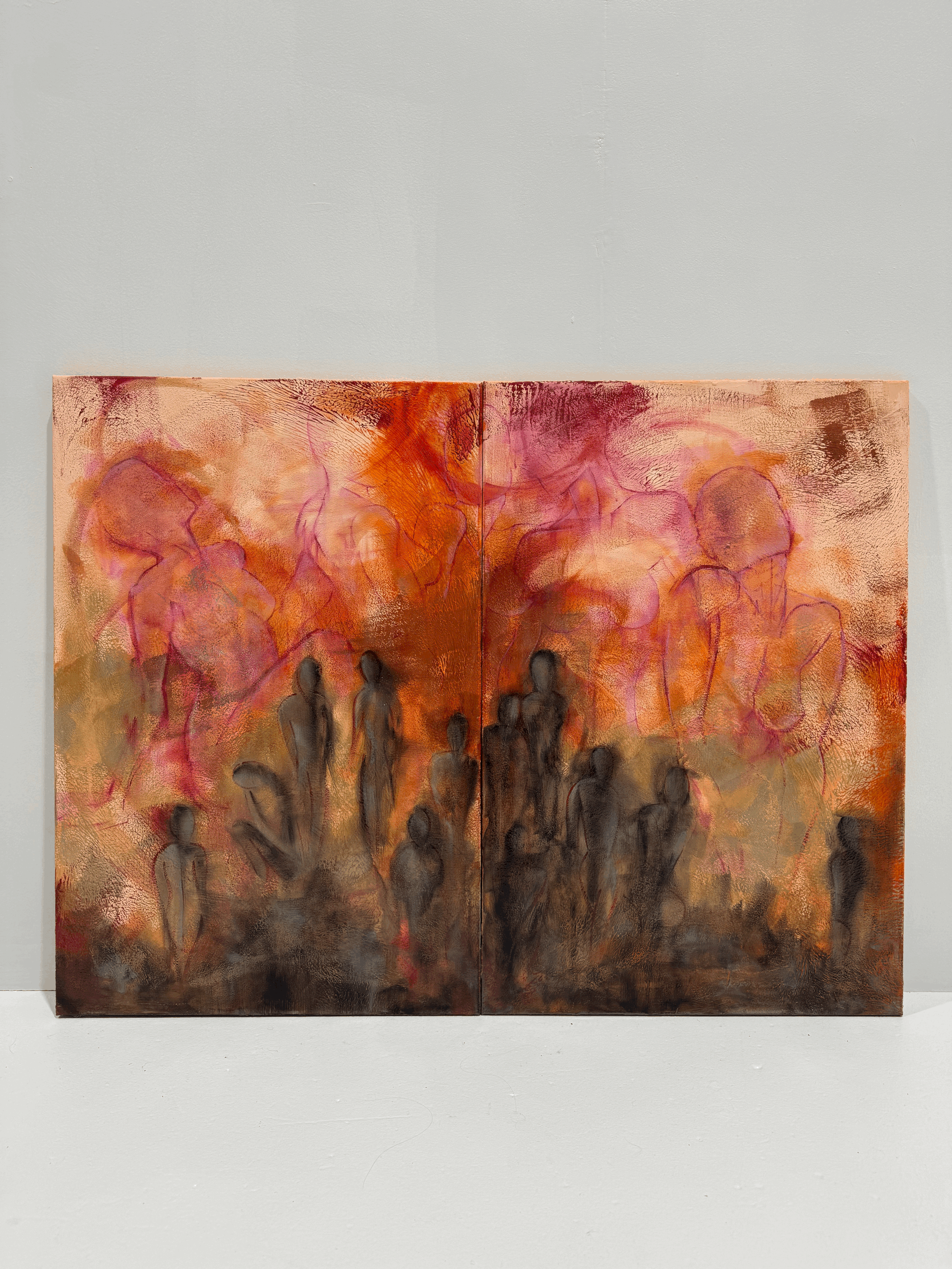
Dominant black forms dominate lower canvas, their jagged edges evoking defensive walls built during trauma survival. Gold veins penetrate from above, warm intrusions suggesting external support or inner resilience breaking through isolation. Cool blues pool in recessed areas, offering quiet respite spaces amid tension.

The Art of Storytelling Through Color
Color Foundations and Emotional Mapping
Red pulses with urgency and passion, drawing eyes immediately while signaling danger, love, or raw energy that pulls viewers into high stakes drama. Blue calms with its expansive sky and ocean associations, creating space for melancholy reflection or serene resolution in narrative arcs. Green grounds stories in growth and renewal, bridging nature’s cycles with human healing journeys.

The Rise of Experiential Art: Why Viewers Want to Feel, Not Just See
What Defines Experiential Art
Experiential works engage multiple senses through light, sound, movement, and touch. Viewers become part of the artwork, their presence altering the experience for others. Scale matters, massive installations envelop entire rooms while subtle interactions reward close attention.

The Art Collector’s Mindset: What Buyers Really Look For in 2026
Provenance and Artist Narrative
Collectors prioritize clear ownership history and compelling backstories. A painting tied to an artist’s personal journey or cultural moment holds premium value over anonymous work. Documentation through certificates, exhibition records, and blockchain verification builds trust instantly.

From Studio to Screen: How Digital Platforms Are Redefining the Art World
The Power of Social Media Algorithms
Platforms like Instagram and TikTok use sophisticated algorithms to determine visibility. Artists who master short form video content or strategic posting schedules can reach thousands overnight. For example, a single viral reel showcasing a time lapse painting process can generate commissions worth thousands.
The key lies in consistency and engagement. Artists succeed by responding to comments, using trending audio, and collaborating with influencers. These platforms reward authenticity over polish, allowing raw studio moments to connect deeply with audiences who crave behind the scenes access.

The Emotional Canvas: How Art and Mental Health Intersect
Creative Expression as Emotional Release
Whether through painting, sculpture, or digital media, creative expression helps people externalize emotions that can feel impossible to put into words. Many psychologists describe this as emotional regulation through embodiment, where internal tension becomes a tangible form that can be seen and understood. Research based on a Drexel University study published in the journal Art Therapy suggests that just forty five minutes of art making can reduce cortisol levels for most participants, regardless of their skill level. Cortisol is often described as a stress hormone that rises when the body enters a state of fight or flight, so lowering it can support a calmer and more regulated emotional state. Beyond statistics, there is the lived experience of artists who use their practice to navigate grief, anxiety, and trauma. The simple rhythm of brushstrokes, the repetition of patterns, or the physical act of modeling clay can provide a soothing structure when thoughts feel chaotic.